Why Rain, Mud and Heavy Vehicle Flow Affect Weighbridge Accuracy
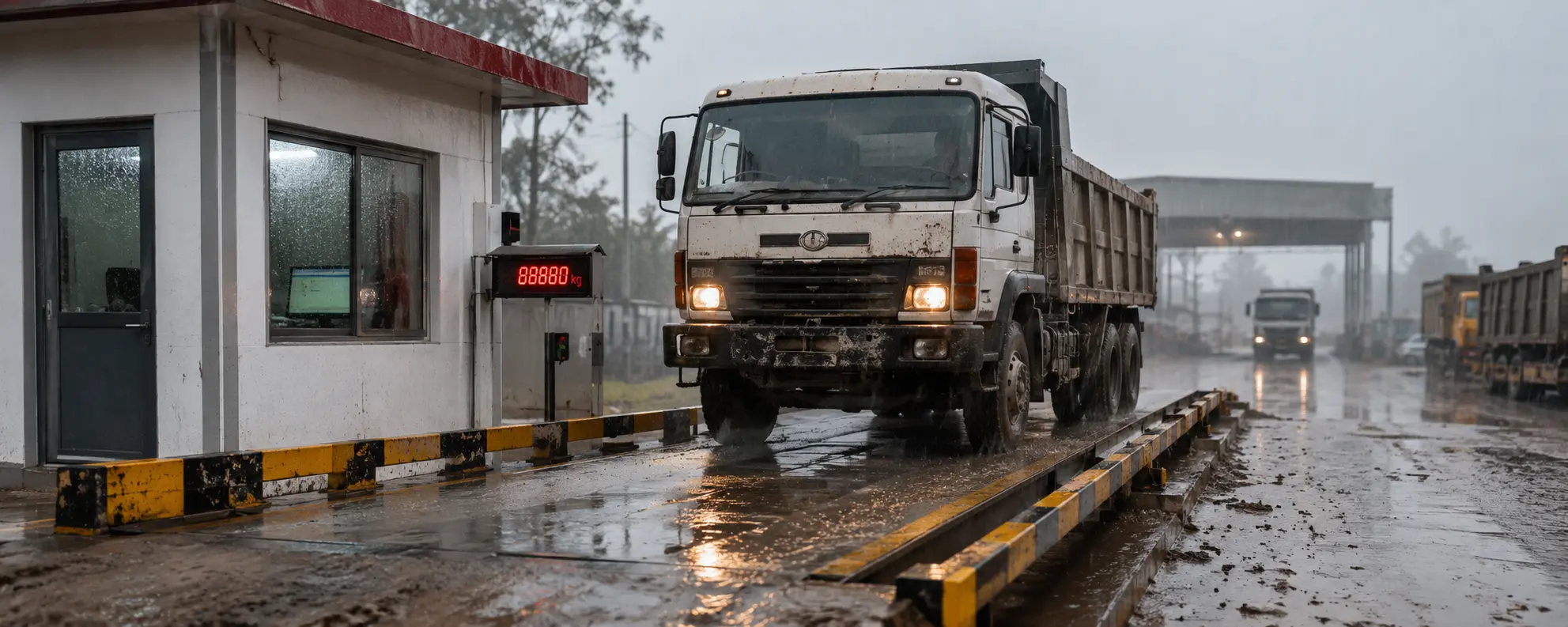
A loaded tipper rolls onto the weighbridge after crossing a muddy yard. Water drips from its tires. Small stones fall near the platform gap. Another truck is already waiting behind it.
The weight appears on the indicator, the ticket is printed, and the vehicle moves ahead. Everything looks normal. But beneath the platform, mud may already be collecting. A blocked drain may be holding water near the foundation. Repeated braking may be placing unnecessary force on the structure. None of these problems creates an immediate breakdown. That is what makes them easy to miss.
Accuracy usually changes in small steps. A few kilograms here. A reading that takes longer to settle there. A zero value that does not return as quickly as it used to. A reliable weighbridge manufacturer designs the system to manage demanding industrial loads. Keeping it accurate after installation depends on what happens around the platform every day.
Accuracy problems often begin outside the indicator
When a weight reading appears unusual, the first reaction is often to suspect calibration or electronics.
That may not be the real cause.
A weighbridge is a complete system. Its performance depends on the platform, load cells, mounting assemblies, foundation, cables, junction box, indicator, and approach roads working together. The platform must move freely when a vehicle enters. The load must transfer correctly to the load cells. The vehicle must remain fully positioned on the deck. The reading must settle before it is recorded. Mud, water, and continuous truck movement can disturb this process without causing an obvious fault.
International guidance such as OIML R 76 sets metrological and technical requirements for non-automatic weighing instruments. In practical terms, an instrument must continue producing acceptable results under its intended operating conditions. That is why maintaining accuracy starts with understanding what is changing around the weighbridge.
Rain changes the area around the weighbridge
Rain does not simply make the deck wet. It changes the entire operating area. Loose soil becomes mud. Fine material flows into drainage channels. Water collects in low spots. Trucks carry contamination from the yard onto the platform. At a pit-type installation, blocked drainage can allow water and debris to collect below the deck. At a pitless installation, poor site grading can still direct water towards the foundation, ramps, or load cell areas.
The first check after sustained rain should not be the indicator.
Look at the site.
- Is water moving away from the platform?
- Are the drains open?
- Has soil washed away near the foundation?
- Are the approach roads still level?
- Is mud entering the gap between the platform and the surrounding structure?
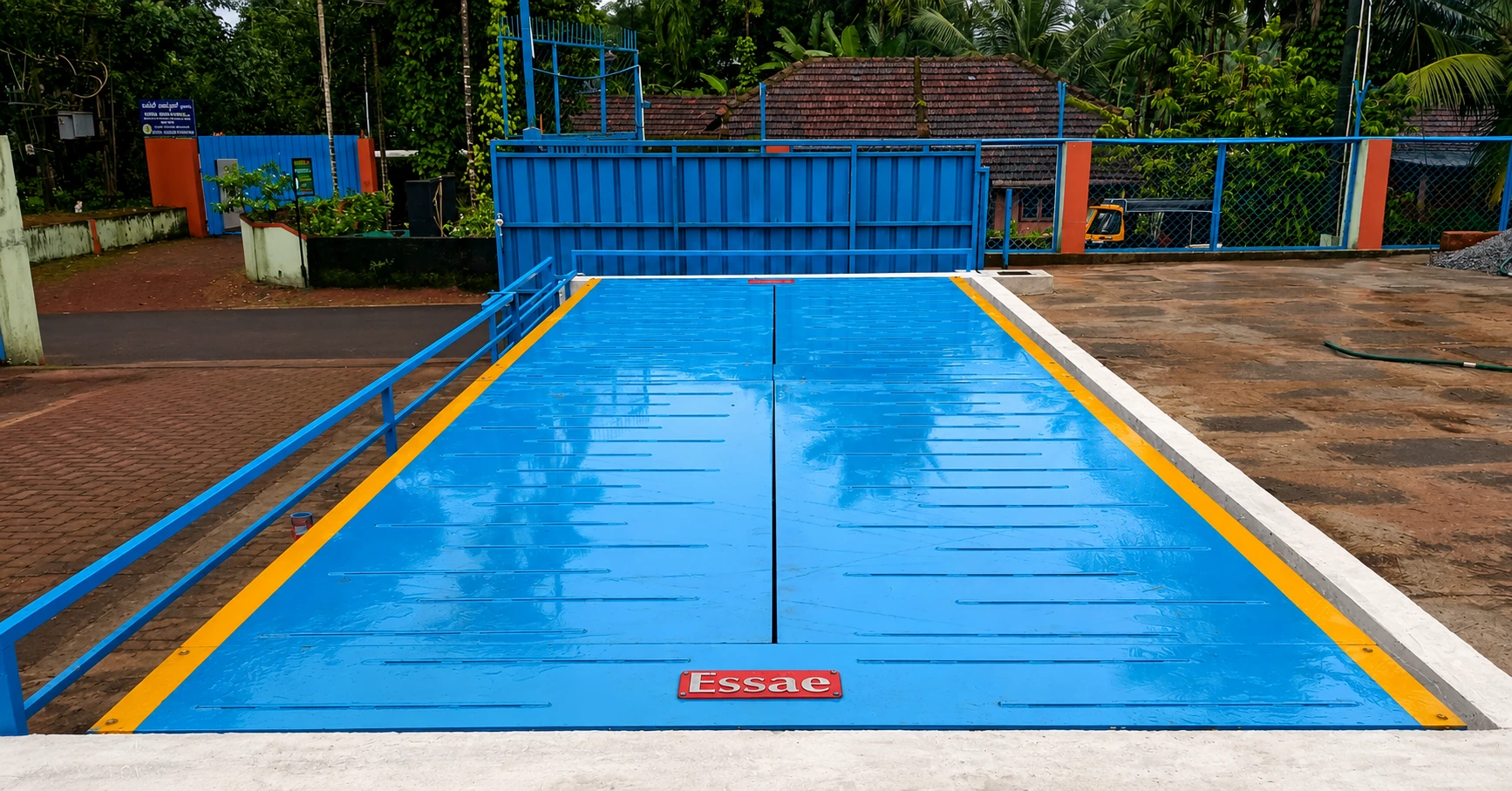
Essae’s steel weighbridge range includes pit and pitless configurations. The pitless design provides greater visibility, easier maintenance, and lower risk of water clogging, but the surrounding drainage still needs regular attention. Once drainage slows down, mud becomes the next problem.
Mud can stop the platform from moving freely
Picture a quarry after several busy shifts.
Each truck brings a thin layer of wet material onto the weighbridge. Most of it looks harmless. Some falls through the platform gap. Some settle near the deck supports. As vehicles continue moving, the material becomes compacted. Eventually, the platform may not respond as freely as it should. This can create unstable readings, slow settling, or poor return to zero. The operator may assume the system needs recalibration, even though the first requirement is a proper mechanical inspection and cleaning.
Before changing any calibration setting, check:
- Is material touching the underside or side of the platform?
- Are stones trapped in the movement gaps?
- Is mud packed around the load cell mounting area?
- Does the platform return to zero after the vehicle leaves?
- Does the reading repeat when the same known load is checked again?
Cleaning should be controlled. Directing a high-pressure water jet at a junction box, cable entry point, or load cell connector may create a new problem while solving the old one. Remove heavy deposits manually first. Use suitable cleaning equipment around sensitive components. Confirm that the deck has clear movement on all sides.
For a broader maintenance overview, read How to Clean and Maintain Your Weighbridge.
Once the platform is clear, the next question is how it is being used.
Heavy vehicle flow affects more than the daily truck count
A weighbridge handling 20 vehicles a day faces a different workload from one handling 250. More traffic means more loading cycles, more braking, more vibration, and more chances for poor vehicle positioning. Speed is especially important.
A driver who enters too quickly creates impact loading. Sudden braking introduces horizontal force. A truck that stops partly outside the platform does not place its full load on the weighing surface. Vehicles repeatedly entering off-center may place uneven stress on the deck and mounting assemblies.
The solution is not complicated.
Drivers should approach slowly, align the vehicle with the platform, and stop only after the full vehicle is correctly positioned. The reading should be recorded after it becomes stable.
Clear entry markings, speed control, and driver instructions can prevent avoidable wear. At sites with long queues, automated controls may also reduce rushed movement and inconsistent positioning.
A digital weighbridge can support diagnostics, data capture, and error control, but good traffic discipline still matters. Digital technology improves visibility. It does not remove the need for correct vehicle movement.
A simple inspection routine prevents bigger problems
- Rain, mud, and truck flow are connected.
- Rain moves material.
- Material collects around the platform.
- Traffic compacts it.
- Restricted movement begins affecting performance.
This is why the maintenance routine should follow the same operational pattern.
Daily checks
✅ Remove loose mud, stones, and spilled material from the deck.
✅ Check that platform gaps are clear.
✅ Look for standing water near the foundation.
✅ Confirm that the indicator returns to zero after each vehicle.
✅ Watch for readings that take longer than normal to stabilize.
✅ Report hard braking, vehicle impact, or visible platform damage.
Weekly checks
✅ Clear drains and water outlets.
✅ Inspect the accessible load cell and mounting areas.
✅ Check ramps and approach roads for settlement.
✅ Look for damaged cable covers or exposed wiring.
✅ Remove vegetation and material buildup near the foundation.
✅ Review unusual weight records reported by operators.
Monthly checks
✅ Inspect the deck, weld areas, fasteners, and structural members.
✅ Check the junction box for moisture or damaged seals.
✅ Examine grounding and surge protection connections.
✅ Compare repeat readings using a known vehicle or suitable test load.
✅ Review zero changes and recurring operator complaints.
✅ Confirm that traffic markings and speed controls remain visible.
Scheduled technical checks
A qualified service engineer should inspect calibration, load cell output, corner performance, cable condition, indicator operation, and structural alignment at planned intervals.
The service frequency should reflect the site workload. A weighbridge handling continuous heavy traffic, wet material, or abrasive aggregate may need closer attention than a lightly used installation.
Essae’s Annual Service Contract focuses on preventive maintenance, planned service visits, repairs, and access to critical parts such as load cells, indicators, cables, and junction box components.
Do not use calibration to hide a mechanical problem
Calibration is essential, but it should not become the answer to every unusual reading.
If debris is restricting the platform, recalibration may only compensate for a condition that continues to change. The reading could shift again as the mud dries, more material collects, or the obstruction moves.
The correct order is simple:
- Inspect the site.
- Clean the platform and movement gaps.
- Check drainage.
- Inspect visible mechanical and electrical components.
- Confirm repeatability and zero return.
- Arrange calibration or technical service when required.
This approach saves time and gives the service engineer a clearer picture of the actual problem.
You can also read How Essae’s Weighbridges Maintain Accuracy for more information about load capacity, manufacturing, testing, and load cell performance.
The right support matters after installation
Buying a weighbridge is not the end of the decision.
The real test begins after thousands of vehicles have crossed it.
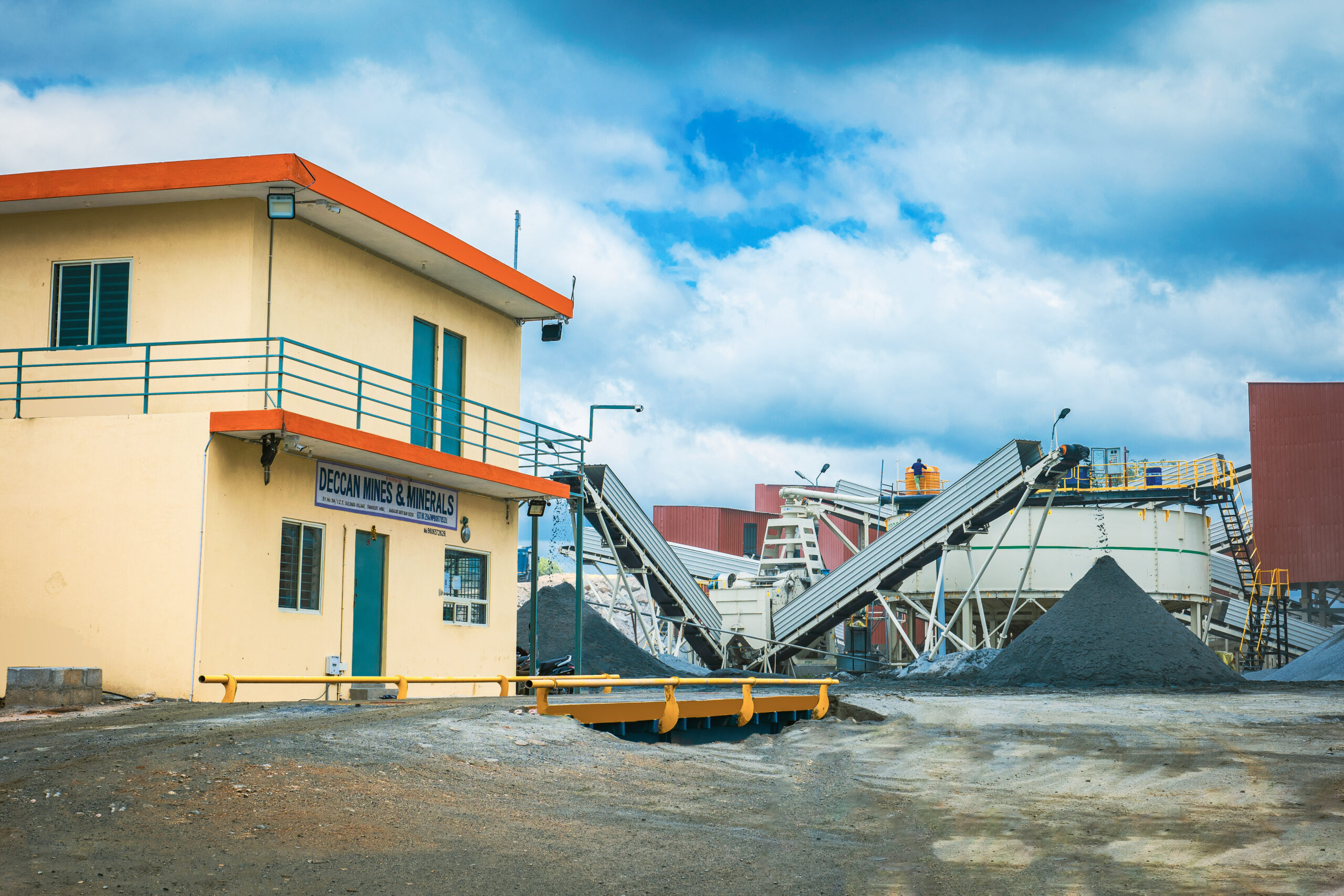
For a company operating a weighbridge in India, site conditions can vary widely. A mining location may face abrasive dust and mud. A grain facility may deal with husk and loose material. A cement plant may have fine powder entering every exposed gap. A logistics hub may place more pressure on traffic speed and transaction volume.
The maintenance plan should match those conditions.
This is where engineering support, access to spare parts, trained service teams, and knowledge of the original installation make a practical difference.
Essae Digitronics supports industrial weighing operations with steel, concrete, digital, and automated weighing systems, along with preventive maintenance and calibration services. Its product range is designed for sectors including steel, mining, cement, logistics, agriculture, construction, and building materials.
Protect accuracy before the next reading looks wrong
Rain, mud, and heavy truck traffic do not need to cause weighing problems.
Most issues develop because small warning signs are missed.
A blocked drain.
A stone trapped beside the platform.
A cable cover damaged by vehicle movement.
A reading that takes slightly longer to settle.
Regular inspection gives your team the chance to correct these conditions before they affect dispatch, inventory, or billing.
Keep the platform clean. Keep water moving away from the foundation. Control vehicle speed. Watch zero return and repeatability. Bring in qualified technical support when the condition cannot be confirmed through routine checks.
Accuracy is not protected by one annual service visit alone. It is protected by the small checks your team completes every day.
Request a Site Consultation
Every weighbridge site has its own traffic pattern, material flow, and maintenance risks.
Request a Site Consultation with Essae Digitronics to assess your installation, identify conditions that may affect accuracy, and build a practical maintenance plan for your operation.