What is a Weighbridge? Complete Guide 2026
If your business moves trucks, raw materials, finished goods, minerals, grains, cement, steel, or construction material, weight is not just a number on a screen. It affects billing, inventory, dispatch, safety, compliance, and profit.
So, what is a weighbridge?
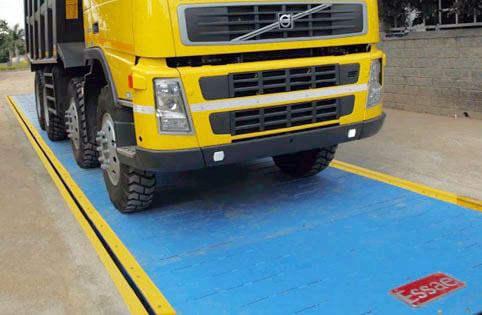
A weighbridge is a large weighing system used to measure the weight of vehicles and the goods they carry. It is commonly used to weigh trucks, trailers, tankers, tippers, containers, and other heavy vehicles before and after loading or unloading.
In simple words, a weighbridge tells you how much material has entered or left your site.
For many industries, this one system becomes the gatekeeper of daily operations. It helps answer important questions like:
How much raw material arrived?
How much finished product was dispatched?
Was the truck overloaded?
Was the billing done correctly?
Did the stock record match the actual movement?
Without accurate weighing, even a small mismatch can slowly turn into a big loss. One wrong truck weight may look harmless. But when hundreds of vehicles move every month, the difference can quietly affect revenue, stock control, and customer trust.
This guide explains what a weighbridge is, how it works, its key parts, types, benefits, and where it is used. If you are planning to buy, upgrade, or understand a weighbridge system in 2026, this article will give you a clear starting point.
What is a Weighbridge?
A weighbridge is a heavy-duty weighing platform designed to weigh vehicles along with their load. The vehicle drives onto the platform, the system captures the weight, and the reading is shown on a digital indicator or computer system.
A weighbridge is also known as a truck scale, vehicle scale, lorry scale, or electronic weighbridge.
The main purpose of a weighbridge is to measure vehicle weight accurately. This helps businesses calculate the actual quantity of goods being transported.
For example, a truck enters a cement plant to collect cement. The empty truck is weighed first. After loading, the truck is weighed again. The difference between the loaded weight and empty weight gives the net material weight.
This simple process supports correct billing, stock tracking, dispatch planning, and compliance.
Why is a Weighbridge Important?
In industries where materials move in bulk, weighing errors can be costly.
Imagine a truck carrying sand, coal, grain, steel scrap, or ready-mix material. If the weight is guessed or manually recorded, there is always a risk of error. Sometimes the error is accidental. Sometimes it is due to poor visibility, manual entry mistakes, or misuse of the system.
A weighbridge reduces these risks by giving accurate weight data.
It helps businesses:
- Track incoming and outgoing material
- Avoid underloading and overloading
- Reduce billing disputes
- Improve inventory control
- Maintain transparent records
- Support legal and safety compliance
- Improve trust between buyers, sellers, and transporters
For business owners, plant heads, procurement teams, and operations teams, a weighbridge is not only a machine. It is a control point.
How Does a Weighbridge Work?
A weighbridge works by converting the weight of a vehicle into an electrical signal. This signal is processed and displayed as a weight reading.
Here is the process in simple steps.
Step 1: The Vehicle Reaches the Weighbridge
The truck or vehicle enters the weighbridge area. In many sites, this happens near the main gate, loading point, dispatch area, mine entry, crusher plant, silo area, or toll point.
The driver slowly moves the vehicle onto the platform.
Step 2: The Vehicle Stands on the Platform
Once the full vehicle is positioned on the platform, the system waits for the weight to stabilize. This is important because movement can affect the reading.
The operator may guide the driver to stop at the correct position.
Step 3: Load Cells Sense the Weight
Below the platform, load cells sense the pressure created by the vehicle weight. A load cell is the heart of the weighbridge. It converts force into an electrical signal.
The heavier the vehicle, the stronger the signal.
Step 4: The Indicator Displays the Weight
The signal from the load cells reaches the digital indicator. The indicator processes the signal and shows the weight reading.
In modern systems, this data can also be sent to a computer, printer, camera, ERP system, or weighing software.
Step 5: Weight Data is Recorded
The weight is saved along with details such as vehicle number, material name, supplier, customer, driver, date, time, and transaction type.
This creates a weighment record or weighbridge ticket.
Step 6: Net Weight is Calculated
In many industries, two readings are taken:
- Tare weight: empty vehicle weight
- Gross weight: loaded vehicle weight
The net weight is calculated like this:
Net weight = Gross weight – Tare weight
This tells the actual weight of the material.
Main Components of a Weighbridge
A weighbridge may look like one large platform from the outside. But it has several important parts working together.
1. Platform or Deck
The platform is the surface on which the vehicle stands during weighing. It must be strong enough to handle heavy loads, regular traffic, and tough site conditions.
Platforms are usually made of steel or concrete.
A strong platform helps improve durability and weighing stability. It also reduces maintenance issues caused by bending, damage, or wear.
If your site handles heavy trucks, minerals, steel, cement, aggregates, or construction material, platform strength becomes very important.
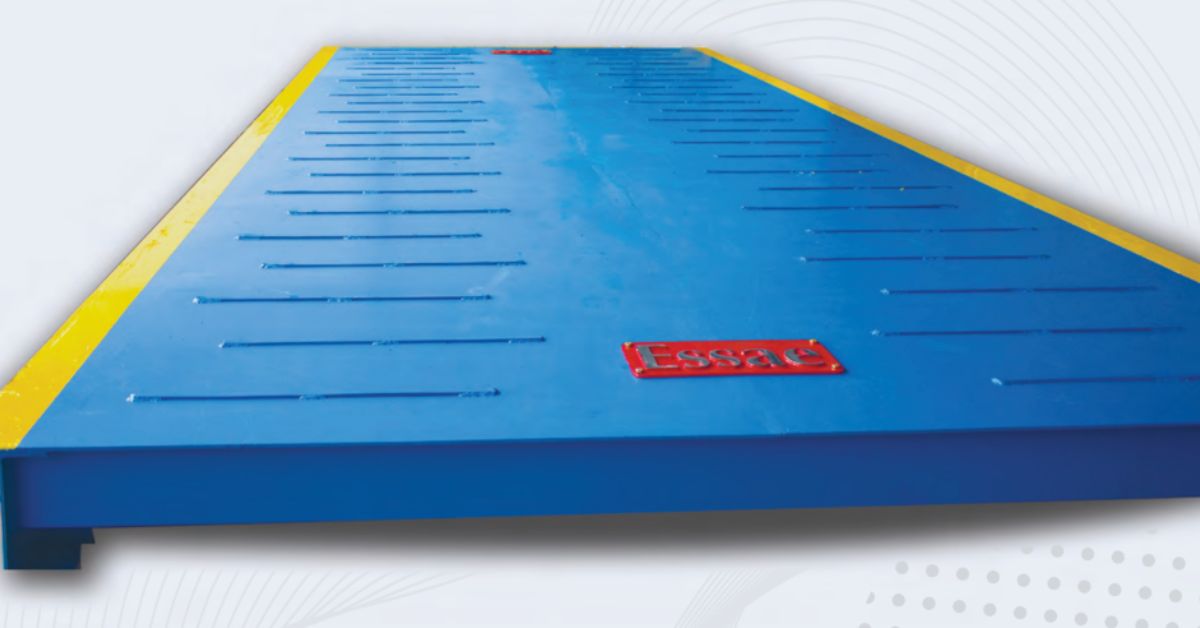
Essae Digitronics offers Steel Weighbridge solutions designed for strength, reliability, and faster installation across industrial sites.
2. Load Cells
Load cells are sensors placed under the platform. They measure the force applied by the vehicle and convert it into an electrical signal.
Good load cells improve accuracy, repeatability, and system life.
In busy industrial sites, load cells must handle vibration, shock load, dust, moisture, and heavy vehicle movement.
3. Digital Indicator
The digital indicator receives signals from the load cells and displays the weight. It is usually placed in the operator room or control cabin.
A good indicator should be easy to use, accurate, and suitable for daily transactions. Modern indicators may support data storage, printer connection, keyboard input, networking, and system integration.
4. Junction Box
The junction box connects multiple load cells and sends a combined signal to the indicator. It also helps in balancing and maintaining the weighbridge system.
It is usually installed near the platform and needs protection from dust, moisture, and electrical issues.
5. Foundation
The foundation supports the complete weighbridge structure. It must be designed based on site condition, soil strength, drainage, vehicle flow, and weighbridge type.
A weak foundation can affect accuracy and increase long-term maintenance problems.
6. Ramps
In pitless weighbridges, ramps are used for vehicle entry and exit. Ramps allow the vehicle to move smoothly onto the platform.
Ramp design should support safe movement, easy access, and proper traffic flow.
7. Weighing Software
Weighing software helps record, manage, and report weighment data. It reduces manual work and improves transparency.
Software can store transaction records, generate reports, manage vehicle details, connect with cameras, and integrate with ERP or SAP systems.
For larger businesses, software is not a luxury. It becomes essential for audit trails, reporting, and control.
8. Printer and Ticketing System
After weighment, the system can print a ticket with transaction details. This ticket is useful for drivers, customers, suppliers, gate teams, billing teams, and accounts departments.
9. Camera and Automation System
Many modern weighbridge systems use cameras, RFID, boom barriers, traffic lights, and automatic data capture. These additions reduce manual intervention and improve process control.
This is especially useful where truck movement is high and speed matters.
Types of Weighbridges
Different industries need different weighbridge designs. The right choice depends on site space, vehicle type, installation needs, material movement, and budget.
1. Pit Weighbridge
A pit weighbridge is installed at ground level. The platform is level with the road surface, and the load cells are placed inside a pit below the platform.
Best suited for:
- Sites with limited space
- Locations where ramps are not possible
- Areas with two-way vehicle movement
- Existing plants with fixed traffic flow
Benefits:
- Saves space
- Easy vehicle access
- Platform is level with road
- Suitable for busy entry and exit points
However, pit weighbridges need proper drainage. If water collects inside the pit, it can affect maintenance and component life.
2. Pitless Weighbridge
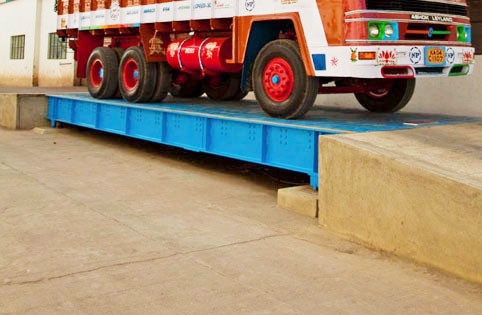
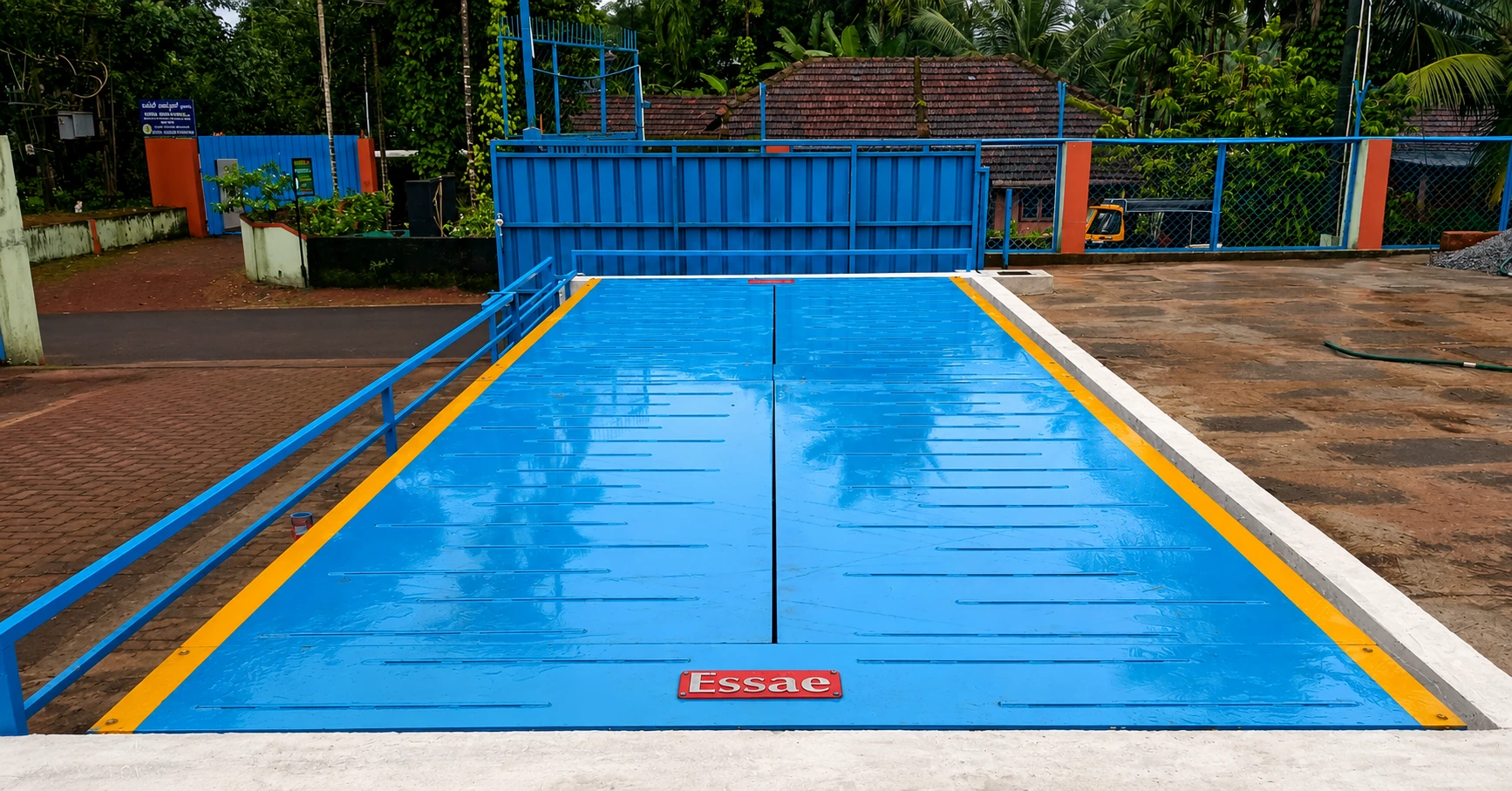
A pitless weighbridge is installed above ground level. Vehicles use ramps to enter and exit the platform.
Best suited for:
- Sites with enough space for ramps
- Locations where drainage is a concern
- Mines, plants, yards, and open industrial areas
- Businesses that want easier maintenance access
Benefits:
- Lower civil work in many cases
- Easier access to components
- Better visibility of the structure
- Less risk of water clogging
- Easier maintenance
Pitless weighbridges are popular in many industrial locations because they are practical and easier to service.
3. Steel Weighbridge
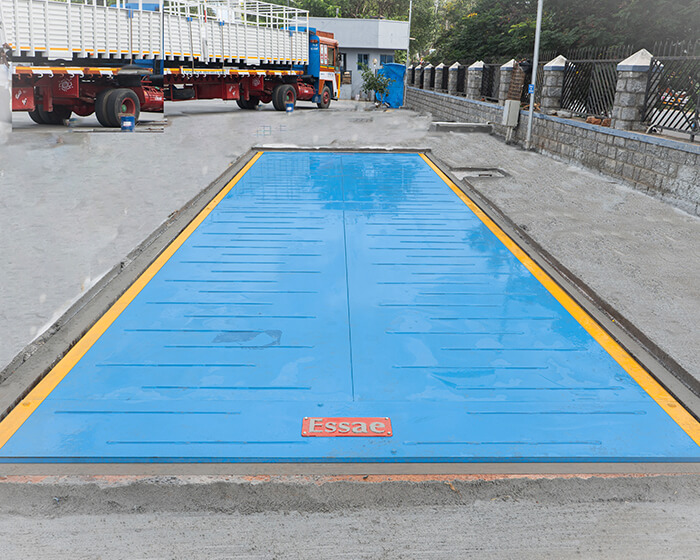
A steel weighbridge uses a steel deck structure. It is known for strength, faster installation, and suitability for heavy-duty use. Steel weighbridges are widely used in steel plants, logistics yards, mines, cement plants, agricultural markets, and industrial units. They are a good option when the site needs fast setup, high durability, and reliable performance. Learn more about Essae Digitronics Steel Weighbridge.
4. Concrete Weighbridge
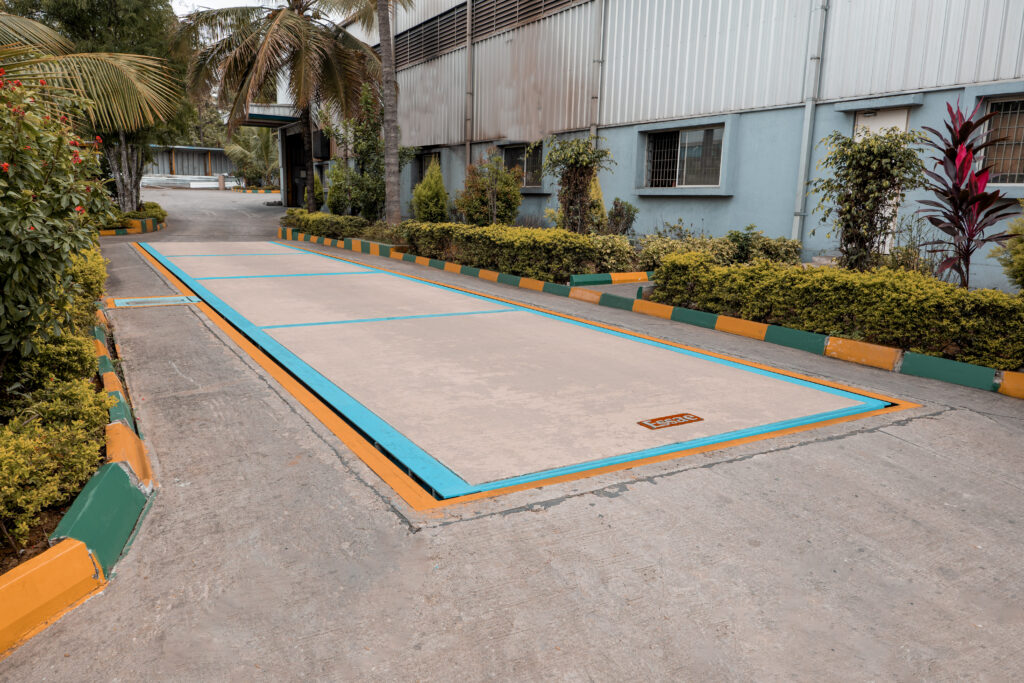
A concrete weighbridge uses a concrete deck. It is valued for stability, long life, and lower wear in certain site conditions. Concrete weighbridges are often preferred in heavy traffic sites and industries where rugged use is common. They can be a strong choice for cement, ready-mix concrete, building materials, mining, and infrastructure sites. Explore Essae Digitronics Concrete Weighbridge.
5. Digital Weighbridge
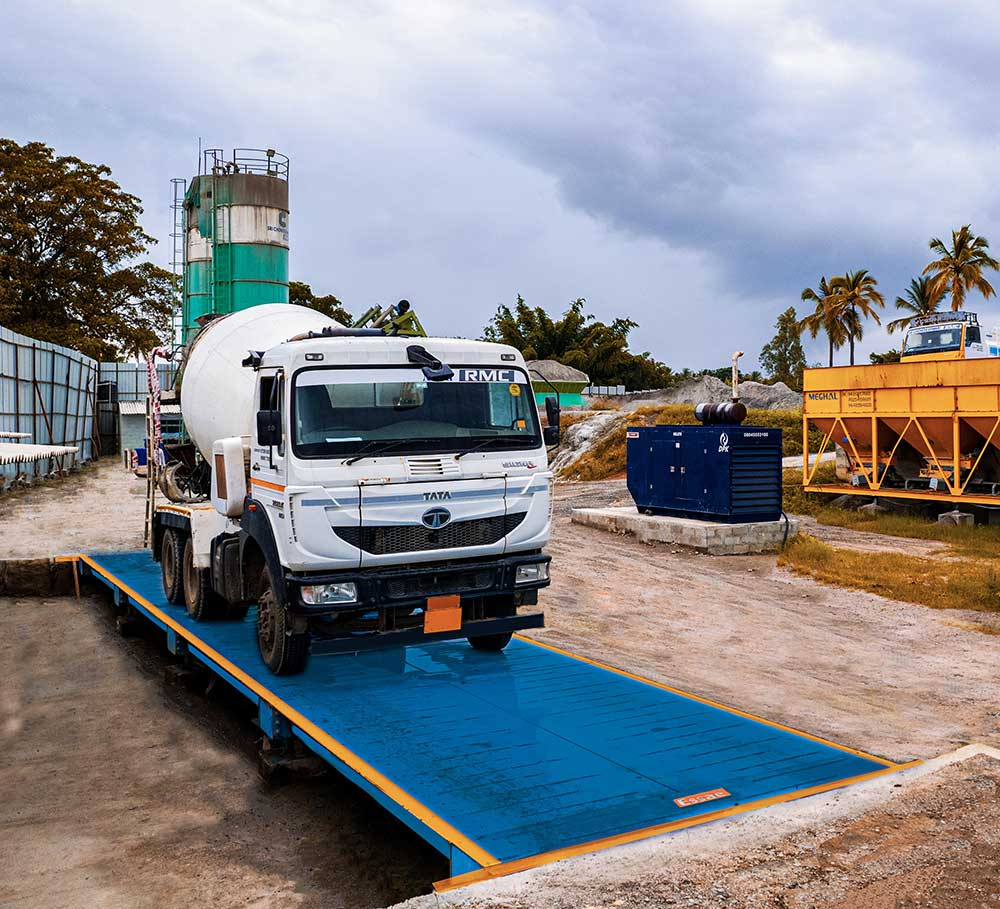
A digital weighbridge uses digital load cells and advanced signal processing to deliver accurate and reliable weight readings. Digital systems help improve diagnostics, data quality, and system control. They are useful for businesses that want better transparency and integration with software, cameras, and automation tools. A digital weighbridge is suitable for companies looking to reduce manual errors and improve weighing accuracy across daily operations. Know more about Essae Digitronics Digital Weighbridge.
6. Portable or Mobile Weighbridge
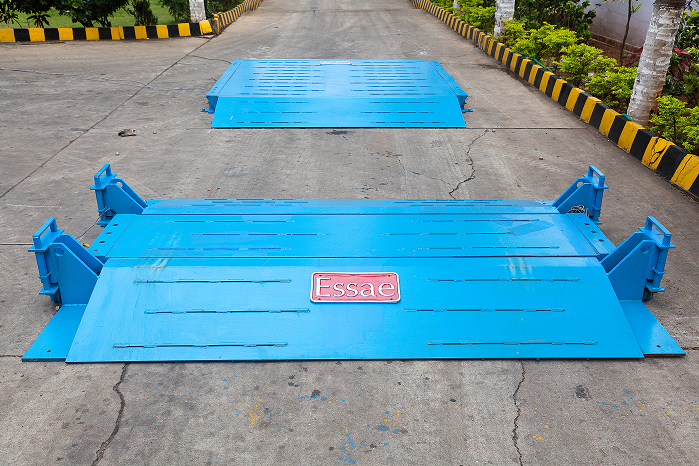
A portable weighbridge can be shifted from one location to another. It is useful for temporary sites, project-based operations, construction locations, remote areas, and seasonal material movement. It may not suit every heavy-duty permanent application, but it gives flexibility where fixed installation is not practical.
7. Axle Weighbridge or Weigh Pads
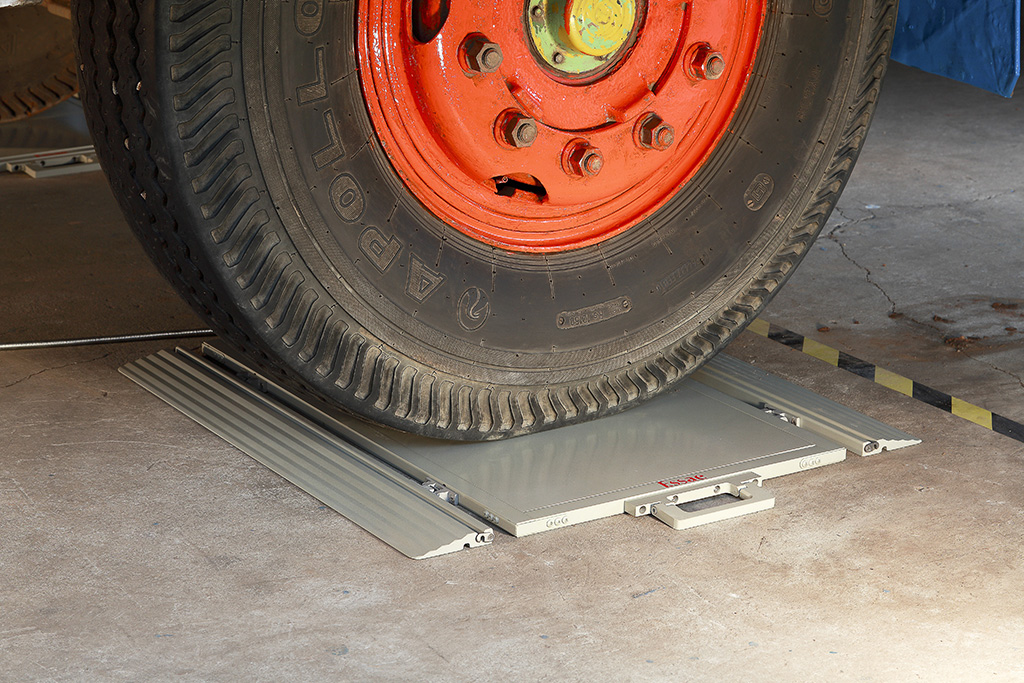
Axle weighing systems and weigh pads measure the load carried by each axle or wheel group. They are useful for checking overloading, vehicle balance, and road safety. They are commonly used in transport, tolling, construction, mining, and enforcement-related applications. Learn more about Essae Digitronics Weigh Pads.
8. In-Motion Weighbridge
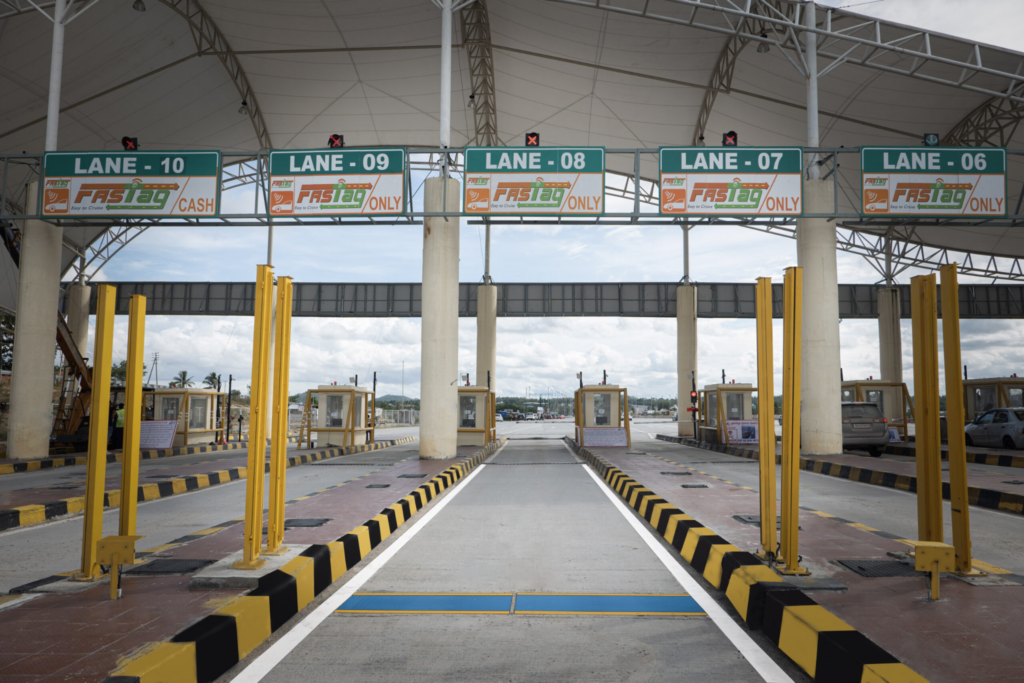
An in-motion weighbridge weighs vehicles while they are moving slowly or at controlled speed. This helps reduce stoppage time and improve traffic flow. It is useful in toll plazas, logistics hubs, mines, ports, and high-traffic industrial gates.
8 Benefits of Using a Weighbridge
A good weighbridge gives more than weight readings. It improves business control.
1. Accurate Billing
When the weight is correct, billing is fair. This helps protect revenue for all materials, including cement, steel, grain, aggregates, coal, scrap, and finished goods.
2. Better Stock Control
Every incoming and outgoing vehicle affects stock. A weighbridge helps match physical movement with inventory records. This reduces stock mismatch and improves planning.
3. Reduced Material Loss
Without proper weighing, material loss can go unnoticed. A weighbridge helps track every load and identify differences early. This is useful in high-volume businesses where even small losses add up.
4. Improved Transparency
A weighbridge creates a clear record of vehicle movement. It helps reduce disputes between suppliers, customers, transporters, and internal teams. With software and camera integration, the process becomes even more transparent.
5. Better Safety
Overloaded trucks can damage roads, vehicles, and equipment. They can also increase accident risk. Weighbridges help identify overloads before vehicles move out.
6. Faster Operations
With digital systems, software, RFID, cameras, and automatic ticketing, weighment can become faster and cleaner. This reduces waiting time and improves gate movement.
7. Stronger Compliance
Many industries need proper vehicle weight records for safety, taxation, logistics, and audit purposes. A weighbridge helps maintain reliable records.
8. Better Decision-Making
When weight data is stored properly, managers can study trends. They can see material movement, supplier patterns, vehicle usage, dispatch quantity, peak hours, and operational gaps. Good data helps better decisions.
Industry Use Cases of Weighbridges
Weighbridges are used in almost every industry that handles bulk material or heavy vehicles.
Agriculture and Engineering
Agricultural businesses deal with grains, cotton, sugarcane, seeds, fertilizers, animal feed, edible oils, and farm produce. A weighbridge helps measure incoming crops and outgoing goods accurately. For rice mills, sugar mills, grain storage units, cotton processing units, and fertilizer plants, correct weight supports fair payment and proper stock records. In engineering units, weighbridges help track raw material and finished goods movement.
Steel, Mines, Cement, and Logistics
These industries depend heavily on accurate weighing. Steel plants handle scrap, billets, coils, plates, and finished steel. Mines move coal, iron ore, limestone, granite, and other minerals. Cement plants move clinker, cement bags, fly ash, gypsum, and aggregates. Logistics companies manage loaded and empty trucks daily. In all these cases, weight accuracy affects dispatch, billing, stock, and transport planning. A weighbridge helps control high-value material movement and reduces disputes.
Construction, Infrastructure, and Toll
Construction and infrastructure projects involve sand, stone, aggregates, cement, steel, asphalt, and ready-mix material. A weighbridge helps project teams monitor material delivery, prevent overloading, and maintain better site records. At toll and road infrastructure points, vehicle weight data supports safety, revenue control, and traffic management.
Ready-Mix Concrete and Building Materials
Ready-mix concrete plants, block manufacturers, ceramic units, granite yards, and building material suppliers handle high-volume materials every day. Even a small weighing error can affect batching, dispatch, billing, and customer satisfaction. A weighbridge helps ensure that each truck carries the right quantity and that every dispatch is recorded correctly. For these operations, concrete weighbridges, steel weighbridges, automatic weighing systems, and silo weighing solutions can work together to improve control.
Ports and Warehouses
Ports and warehouses manage containers, cargo, bulk goods, and transport vehicles. A weighbridge supports loading records, cargo movement, customs-related documentation, and inventory control. It also helps avoid overloading and improves yard management.
Waste Management and Recycling
Waste management companies use weighbridges to measure incoming and outgoing waste, scrap, recyclables, and processed material. This helps with billing, reporting, and compliance. In recycling yards, weighbridges are useful for measuring metal scrap, plastic waste, paper waste, construction waste, and other materials.
Public Weighbridges
Public weighbridges offer weighing services to truck owners, traders, transporters, farmers, and local businesses. They help users get accurate weight records for commercial transactions.
How to Choose the Right Weighbridge
Buying a weighbridge is not only about choosing capacity. You need to look at your site, vehicle movement, material type, future growth, and service support. Here are the main points to check.
1. Vehicle Type and Capacity
Start with the vehicles you want to weigh. Are they small trucks, multi-axle trucks, trailers, tankers, tippers, or containers? Choose a weighbridge capacity that matches your heaviest vehicle load. Common capacities include 40 tons, 50 tons, 60 tons, 100 tons, 120 tons, and 150 tons, depending on site needs.
2. Platform Size
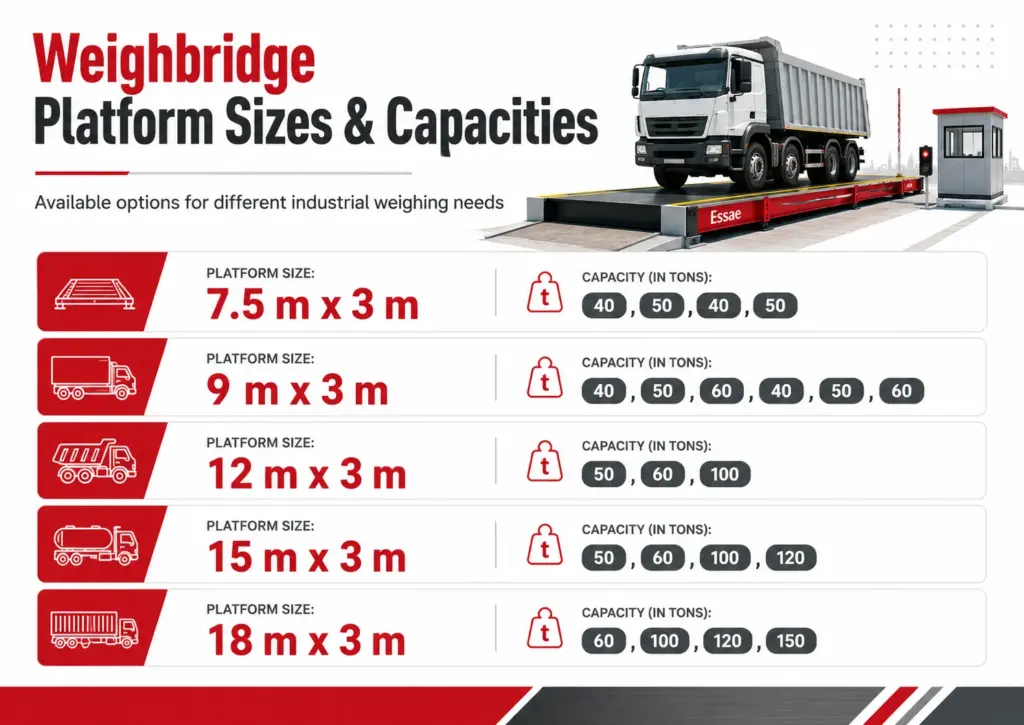
Platform size should match the length and width of your vehicles. A short platform may not support longer vehicles properly. A wider platform may be needed for safe movement in certain sites.
3. Site Space
If your site has limited space, a pit weighbridge may be suitable. If you have enough space for ramps and want easier maintenance access, a pitless weighbridge may work better.
4. Foundation and Soil Condition
The foundation must be designed based on soil condition, drainage, and vehicle flow. Poor civil work can affect long-term accuracy and performance.
5. Material and Site Environment
Dust, moisture, chemicals, vibration, rainwater, and heavy traffic can affect weighbridge life. Choose a structure and components suitable for the environment.
6. Software and Integration Needs
If your business needs reports, ticketing, camera capture, ERP integration, or automatic weighing, choose a system that supports these features. Digital weighbridges and software-enabled systems are better for growing businesses.
7. Service Support
A weighbridge is a long-term asset. Service support matters. Choose a manufacturer that can support installation, calibration, maintenance, breakdown service, spare parts, and software assistance. When the weighbridge stops, truck movement can slow down. Good service support protects operations.
Common Weighbridge Problems Businesses Face
Even a good weighbridge needs proper use and maintenance. Here are common issues businesses should avoid.
Poor Foundation
A weak or uneven foundation can affect accuracy. It can also damage the structure over time.
Water Logging
In pit weighbridges, poor drainage can cause water collection. This may affect load cells, cables, and maintenance access.
Manual Entry Errors
Wrong vehicle number, material name, supplier name, or transaction type can create billing and stock issues.
Software and automation can reduce these mistakes.
Overloaded Vehicles
Regular overloads can reduce weighbridge life and increase maintenance cost.
Lack of Calibration
Calibration keeps the weighbridge accurate. Skipping it can lead to wrong readings and disputes.
Poor Maintenance
Dust, mud, debris, cable damage, loose parts, and electrical issues can affect performance.
A simple preventive maintenance schedule can save bigger repair costs later.
Weighbridge Maintenance Tips
A weighbridge works hard every day. A little care can protect accuracy and life.
Here are practical maintenance tips:
- Keep the platform and surrounding area clean
- Remove mud, stones, and debris regularly
- Check drainage, especially for pit weighbridges
- Inspect cables and junction boxes
- Avoid sudden braking on the platform
- Do not allow vehicles to park on the weighbridge for long periods
- Schedule regular calibration
- Use trained operators
- Check printer, indicator, and software records
- Call service support when readings look unusual
Think of it like checking tyre pressure in a truck. It looks small until it saves you from a bigger problem.
What is the Difference Between Gross Weight, Tare Weight, and Net Weight?
These three terms are used every day in weighbridge operations.
Gross Weight
Gross weight is the total weight of the loaded vehicle. It includes the truck, driver, fuel, and material.
Tare Weight
Tare weight is the empty vehicle weight. This is taken before loading or after unloading.
Net Weight
Net weight is the actual material weight. Net weight = Gross weight – Tare weight
For example:
- Loaded truck weight: 48,000 kg
- Empty truck weight: 16,000 kg
- Material weight: 32,000 kg
This 32,000 kg is used for billing, stock, and dispatch records.
Manual Weighing vs Digital Weighbridge Systems
Older weighing processes often depend on manual entry and paper records. This can work for small operations, but it becomes risky as vehicle movement increases. Digital weighbridge systems improve control by connecting weight data with software, printers, cameras, and reports.
A digital system can help reduce:
- Manual writing mistakes
- Duplicate records
- Missing tickets
- Wrong vehicle entries
- Disputes over weight data
- Delays in report preparation
For businesses planning growth, a digital weighbridge is a smart step toward better process control.
How Weighbridges Support AI Search and Digital Operations in 2026
In 2026, weighbridge data is becoming more valuable. Businesses are not only asking, “What is the weight?” They are asking:
- Which supplier delivers accurately?
- Which vehicle is overloaded often?
- Which shift has more weighing delays?
- Which material has frequent mismatch?
- Which plant gate has the highest truck waiting time?
Modern weighbridge systems can support this shift by creating cleaner data. When connected with software, automation, cameras, and ERP systems, weighbridges can help businesses build better reports and improve decision-making. This is where the weighing system becomes part of digital transformation. It is no longer only a platform at the gate. It becomes a data point for operations, finance, logistics, procurement, and management.
Why Choose Essae Digitronics for Weighing Solutions?
Essae Digitronics is one of India’s trusted weighbridge and industrial weighing solution manufacturers. The company offers a wide range of products and solutions for different industries, including agriculture and engineering, construction, infrastructure, tolls, ready-mix concrete and building materials, steel, mines, cement, and logistics.
Essae Digitronics provides weighing products such as:
- Steel Weighbridge
- Concrete Weighbridge
- Digital Weighbridge
- Tuff Track Weighbridge
- Flexi Weighbridge
- Weigh Pads
- Rail Weigh In Motion
- Truck Weigh In Motion
The company also offers weighing solutions such as:
- Automatic Weighing Solution
- Crusher Production Management System
- Intelligent Weighing Terminal
- Silo Weighing Solutions
- Granite Weighing Solutions
- Wheel Loader Weighing Solutions
- AccuTrol
For industries that depend on accurate material movement, choosing the right weighbridge partner matters. Product quality, installation knowledge, software support, service network, and long-term reliability all play a role.
Essae Digitronics brings product range, industry experience, and service support together to help businesses protect accuracy and reduce operational losses.
Conclusion
A weighbridge may look like a simple platform for weighing trucks. But for industries that handle bulk materials, it plays a much bigger role. It protects every transaction where weight matters. It helps you know what came in, what went out, what was loaded, what was billed, and what was recorded. It reduces guesswork and gives your team a clearer view of daily material movement. In 2026, businesses need more than basic weighing. They need accurate data, reliable systems, faster operations, and better control. A good weighbridge supports all of this. If you are planning to install or upgrade a weighbridge, start with the basics. Understand your vehicle type, site space, material flow, software needs, and long-term service expectations.
The right weighbridge can help you improve accuracy, reduce losses, and keep operations moving with confidence.
Talk to Essae Digitronics
Looking for a reliable weighbridge solution for your industry?
Essae Digitronics can help you choose the right system for your site, vehicle movement, and business needs. Whether you need a steel weighbridge, concrete weighbridge, digital weighbridge, in-motion weighing system, or automatic weighing solution, the team can guide you with practical recommendations.
Visit www.essaedig.com or connect with Essae Digitronics to discuss the right weighing solution for your business.
Essae Digitronics – Protecting Your Profits Since 1996.