More Loads, More Profit? The Hidden Risks of Overloaded Trucks in Mining
In mining operations, moving more material feels like progress. A heavier truck looks like a better trip. But teams are starting to ask a simple question: are overloaded trucks in mining actually helping or creating problems that show up later?
What are the risks of overloaded trucks in mining?
Overloaded trucks in mining can lead to faster equipment wear, increased safety risks, compliance issues, and inaccurate load data. When trucks carry more than their capacity, it affects braking, tyre life, and vehicle control. It also creates challenges in tracking actual material movement, which impacts planning and reporting, as it can lead to discrepancies in inventory management and hinder the ability to forecast future material needs accurately. Managing load limits properly helps improve safety, maintain equipment performance, and ensure accurate operations.
The Pressure to Move More Materials in Less Time
Every mining site runs on targets. Dispatch teams are expected to move a fixed volume every day. When things become busy, the easiest way to keep up is to add extra load and reduce trips.
On paper, it works. Fewer trips, more output.
But overloaded trucks in mining don’t just increase volume. Over time, they start affecting how smoothly the operation runs, leading to increased downtime and maintenance expenses that can disrupt productivity.
How Overloaded Trucks in Mining Increase Equipment Stress
Mining trucks are built for tough conditions, but they still have limits. Regularly crossing those limits reveals the impact.
Tyres wear out faster. Brakes lose their sharpness. Suspension issues become more common.
Individually, these may not seem serious. But together, they increase maintenance time and reduce uptime. Once that starts happening, material transport in mining operations begins to slow down, leading to potential delays in production and increased operational expenses.
Safety Risks Inside the Mining Site
Now think about control. An overloaded truck doesn’t handle like a properly loaded one. On slopes, loose ground, or during sudden stops, that extra weight changes how the vehicle behaves.
This is where real risk comes in during everyday movement inside the site.
That’s why truckload management is not just about efficiency. It plays a direct role in keeping drivers and on-ground teams safe by ensuring that loads stay within limits, helping prevent accidents and equipment failures.
Why Accurate Load Measurement in Mining is Becoming Essential
Axle load regulations are getting stricter, and checks are more frequent now. Overloading is no longer something that gets ignored.
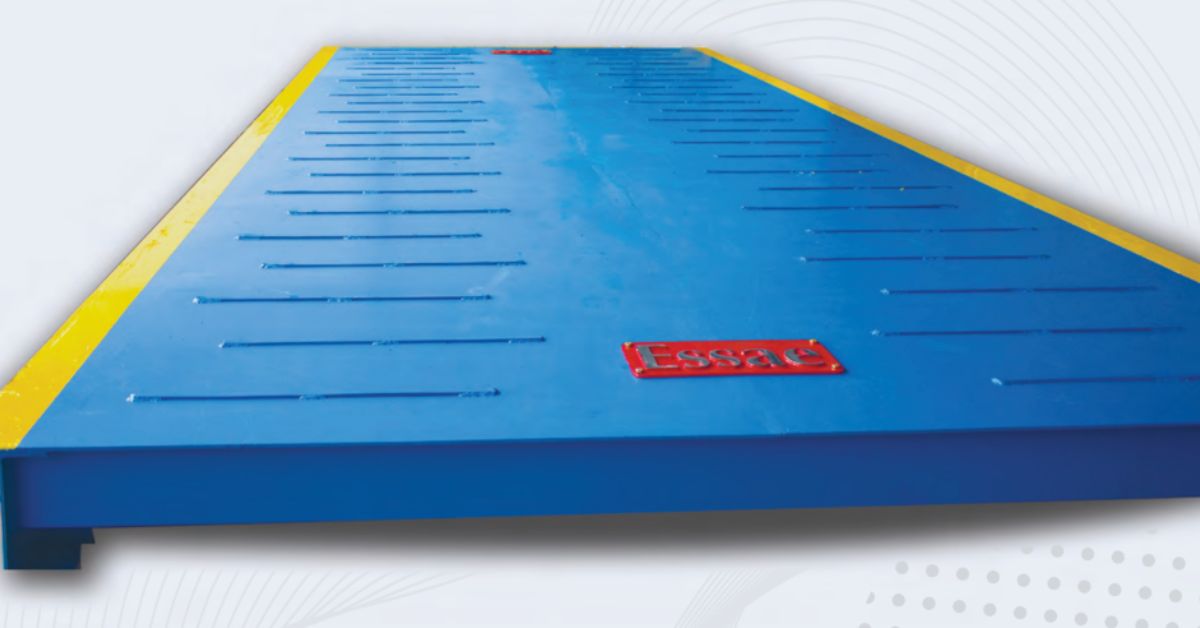
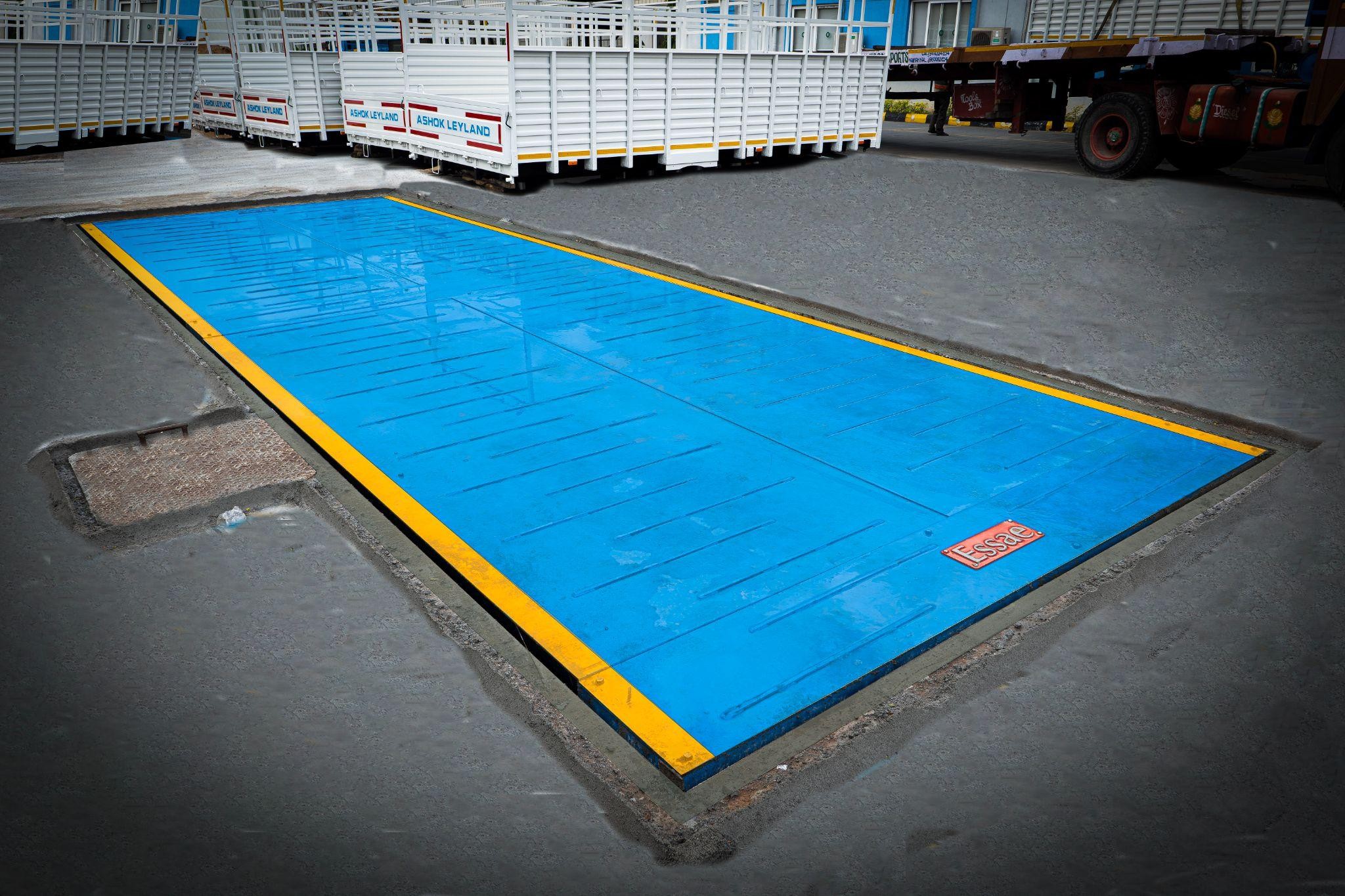
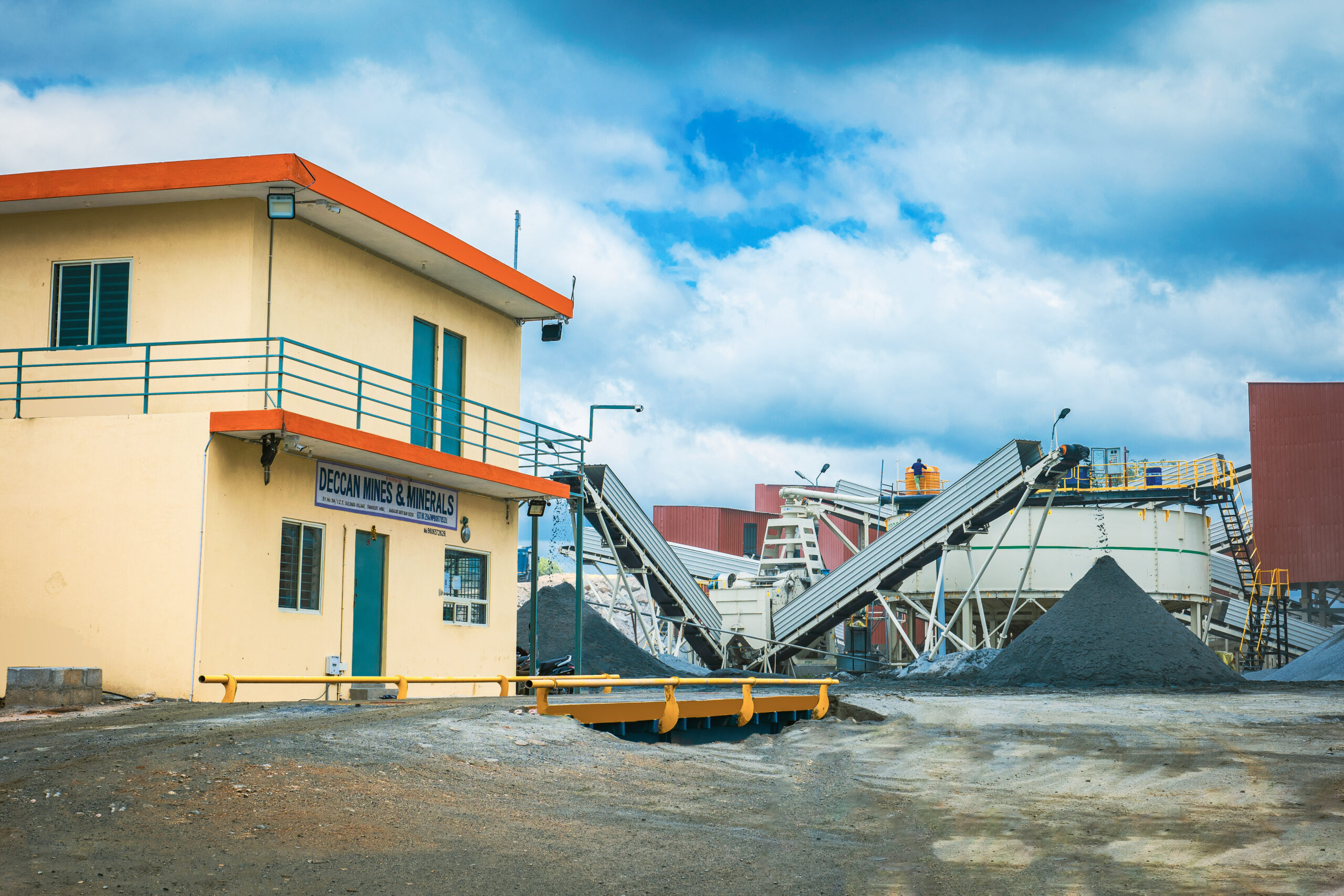
Where limits are not followed, penalties, delays, and interruptions are becoming more common. Because of these changes, many mining operations are focusing more on accurate load measurement not as an extra task but as part of staying compliant. Many sites are gradually exploring options like industrial weighbridge solutions to improve control over truckloads without disrupting operations, as these solutions help ensure compliance and reduce the risk of penalties and delays.
The Hidden Problem: Data Inaccuracy
There’s another issue that often goes unnoticed: data.
If truckloads are not recorded properly, the numbers don’t reflect reality. Over time, such errors create confusion in reporting and planning.
Teams may think they are moving a certain volume, but the actual numbers may say something else, leading to misinformed decisions and operational inefficiencies.
This is where load monitoring systems are becoming important. When data is clear, decisions become easier and more reliable. In many cases, systems like truck weigh-in-motion systems are being considered to track loads without slowing down vehicle movement.
Why Load Visibility is Becoming Important
More mining operations are now paying attention to visibility.
Knowing the exact weight of each truck helps teams plan better. It reduces stress on equipment, improves scheduling, and keeps operations more stable.
It also strengthens weighing and load verification processes, making daily operations easier to manage.
In fact, in industries like steel, cement, and mining, the need for durable and accurate weighing systems becomes more evident when you look at why steel weighbridges are widely used across these sectors.
In mining, moving more is not always better. Overloading may look like a quick way to increase output, but the impact shows up in equipment wear, safety risks, compliance issues, and unclear data.
That’s why many operations are now focusing on getting each load right. Consistency, accuracy, and clear visibility are becoming part of how efficient mining sites actually run.
Visit our website to learn how the right weighing systems can help improve load accuracy and control in mining operations.
Frequently Asked Questions
1. Why is overloading a problem in mining operations?
Overloading puts extra stress on trucks, increases the risk of breakdowns, and makes vehicles harder to control. It also leads to safety concerns and affects overall efficiency in mining operations.
2. How do overloaded trucks affect mining equipment?
When trucks carry excess loads regularly, components like tyres, brakes, and suspension wear out faster. This increases maintenance time and reduces equipment lifespan.
3. What is the role of load measurement in mining?
Accurate load measurement in mining helps track how much material is being transported. It improves planning, reduces errors in reporting, and supports compliance with load regulations.
4. How can mining operations avoid overloading issues?
Mining operations can reduce overloading by monitoring truck loads, maintaining proper load limits, and improving visibility across dispatch processes.
5. Why is load monitoring important in mining logistics?
Load monitoring systems help track real-time data on truckloads. This improves decision-making, ensures better control over operations, and reduces the chances of errors in material tracking.